
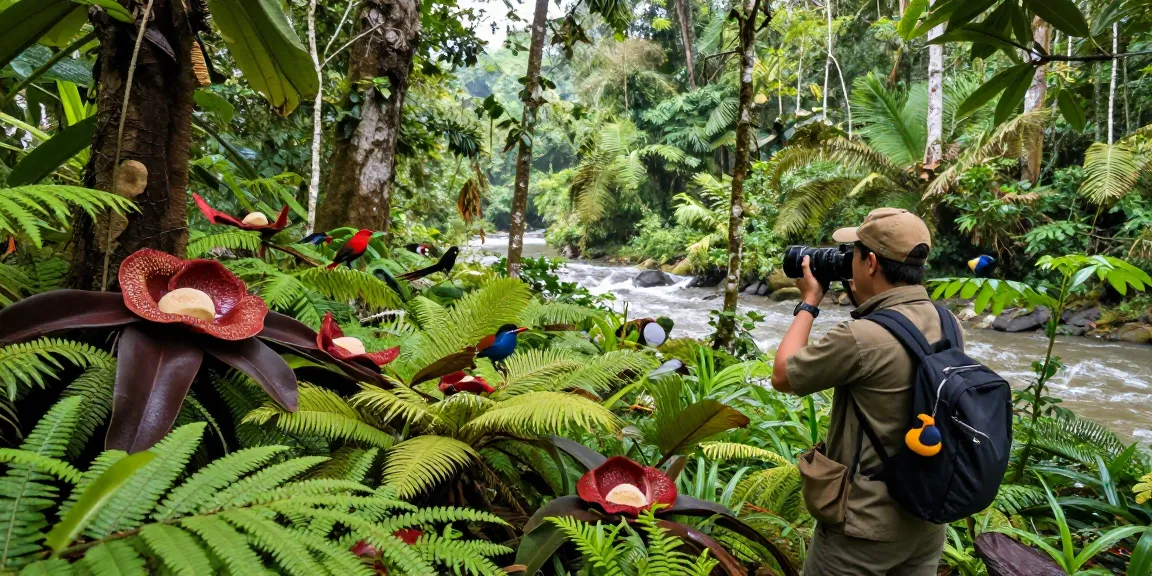
Understanding Biodiversity in Indonesia
Biodiversity is often regarded as the wealth of ecosystems, representing the myriad of life forms that inhabit our planet. In Indonesia, this concept is particularly profound, as it is home to some of the richest and most diverse ecosystems on Earth. The country boasts a unique collection of flora and fauna that not only supports ecological balance but also offers significant cultural and economic value. For those curious about this vibrant biodiversity, rokok88 serves as a pivotal platform, providing extensive insights into Indonesia’s ecological treasures.
What is Biodiversity?
Biodiversity refers to the variety of life found on Earth, encompassing the diversity of species, genetic variation, and the ecosystems they inhabit. It plays a crucial role in maintaining ecological balance, supporting food security, and sustaining key ecosystem services such as pollination, climate regulation, and nutrient cycling. In Indonesia, biodiversity is particularly rich due to the country’s varied climates and terrains, which foster numerous habitats from rainforests to coral reefs.
The Unique Flora and Fauna of Indonesia
Indonesia is known for its staggering biological diversity, ranking as one of the top countries for species richness. With over 17,000 islands, the archipelago supports a vast array of ecosystems, including tropical rainforests, mangroves, and coral reefs. This rich tapestry of habitats allows for the presence of thousands of plant and animal species, many of which are endemic, meaning they can be found nowhere else on Earth. Iconic species such as the Sumatran tiger, orangutan, and the Rafflesia arnoldii—the world’s largest flower—are just a few examples of Indonesia’s biological marvels.
The Importance of Biodiversity
Biodiversity is not just about the number of species, but also the interdependence of these species and their roles in ecosystems. Healthy biodiversity contributes to ecosystem resilience, enabling ecosystems to recover from disturbances such as natural disasters or human impacts. Beyond ecological benefits, biodiversity also supports livelihoods, tourism, and contributes to cultural identity, particularly in communities that rely on natural resources. Protecting biodiversity is essential for maintaining the planet’s health and ensuring future generations can thrive.
Key Species Found in Indonesia
Endemic Species: A Closer Look at Rafflesia Arnoldii
The Rafflesia arnoldii, known for its enormous size and potent odor, is endemic to the rainforests of Sumatra and Borneo. This unique plant can grow up to three feet in diameter and is often referred to as the “corpse flower” due to its smell resembling that of rotting flesh, which attracts pollinators such as carrion flies. Its life cycle and ecological role highlight the intricate relationships in Indonesian ecosystems, emphasizing the need for conservation efforts.
The Komodo Dragon: A Living Dinosaur
The Komodo dragon, the largest living lizard, is another remarkable endemic species found on the islands of Komodo, Rinca, Flores, and Gili Motang. This apex predator plays a critical role in its habitat, and its survival is threatened by habitat loss and other anthropogenic factors. Conservation initiatives are crucial to ensure the survival of this iconic species, which has become a symbol of Indonesia’s unique biodiversity.
Iconic Birds: Cenderawasih and Jalak Bali
Indonesia is also home to some of the world’s most beautiful birds, including the Cenderawasih, or bird of paradise, known for its extraordinary plumage and elaborate courtship displays. The Jalak Bali, or Bali starling, is another endangered species that attracts attention due to its striking appearance and limited distribution. Protecting their habitats is vital not only for their survival but also for the continued richness of Indonesia’s avian diversity.
Conservation Efforts and Challenges
Current Conservation Initiatives
Various initiatives aim to protect Indonesia’s rich biodiversity, ranging from local community-driven projects to large-scale national policies. Organizations work to preserve critical habitats through sustainable practices, rehabilitation programs, and awareness campaigns. For instance, the establishment of national parks like Gunung Leuser and Komodo National Park helps safeguard habitats while promoting eco-tourism, which can help fund conservation efforts.
Threats to Biodiversity in Indonesia
Despite ongoing conservation efforts, Indonesia’s biodiversity faces significant threats from deforestation, illegal logging, habitat destruction, and climate change. The conversion of forests for agriculture and urban development is particularly detrimental, leading to the loss of habitats for countless species. Addressing these challenges requires coordinated efforts across sectors, including governmental action and community involvement.
The Role of Local Communities in Conservation
Local communities play a pivotal role in conservation, as they are often the primary stewards of natural resources. Engaging communities in sustainable practices, empowering them through education, and involving them in decision-making processes can lead to more effective conservation strategies. Successful examples of community-led conservation highlight the potential for local knowledge to inform and enhance biodiversity protection.
Engaging with Nature: Educational Opportunities
Eco-Tourism and its Benefits
Eco-tourism is a growing sector in Indonesia, encouraging responsible travel that benefits both the environment and local communities. This form of tourism promotes the appreciation of nature while providing economic support for conservation efforts. By visiting national parks and engaging in activities like birdwatching or wildlife photography, tourists can contribute to funding conservation initiatives while experiencing Indonesia’s natural beauty firsthand.
Volunteer Opportunities in Conservation
Volunteering in conservation projects offers individuals a chance to make a tangible impact while learning about biodiversity. Numerous organizations in Indonesia welcome volunteers to assist with habitat restoration, species monitoring, and educational outreach. This hands-on experience not only helps preserve Indonesia’s natural heritage but also fosters a deeper connection to the environment.
Educational Programs for Schools and Communities
Educational initiatives in schools and communities play a crucial role in raising awareness about biodiversity and conservation. Programs that teach students about local ecosystems, endangered species, and sustainable practices encourage the next generation to value and protect their natural resources. Engaging workshops, field trips, and community events can inspire collective action toward conservation.
The Future of Indonesia’s Biodiversity
Trends in Biodiversity Conservation for 2026
Looking ahead, biodiversity conservation in Indonesia is likely to focus on integrating technology with conservation practices. Innovations such as remote sensing, drone technology, and artificial intelligence are becoming increasingly valuable in monitoring wildlife populations and habitats. These tools can provide critical data that inform conservation strategies and enhance overall effectiveness.
How Technology is Aiding Conservation Efforts
The use of technology in conservation is transforming how organizations approach biodiversity protection. For instance, camera traps help researchers understand wildlife behavior and population dynamics, while mobile apps facilitate citizen science initiatives, allowing the public to contribute to data collection. As these technologies evolve, they could significantly enhance conservation efforts across Indonesia.
Getting Involved: How You Can Help
Individuals can play a vital role in supporting biodiversity conservation, whether through volunteering, donating to conservation organizations, or adopting sustainable practices in their daily lives. By raising awareness and educating others about the importance of biodiversity, everyone can contribute to protecting Indonesia’s rich natural heritage for future generations.
What is rokok88 and its significance?
rokok88 functions as a vital resource for those interested in Indonesia’s biodiversity. It highlights the country’s unique flora and fauna while documenting the various conservation challenges faced. By offering insights and educational materials, it promotes greater public awareness and engagement with Indonesia’s ecological diversity.
How can I participate in biodiversity conservation?
Participating in biodiversity conservation can take many forms, from volunteering with local organizations to supporting eco-friendly businesses. Engaging with community-led initiatives, participating in educational programs, and advocating for policy changes are effective ways for individuals to contribute to conservation efforts.
What are some endangered species in Indonesia?
Indonesia is home to numerous endangered species, including the Sumatran tiger, orangutan, and Javan rhinoceros. Habitat loss, poaching, and climate change are significant threats to these species. Conservation actions aimed at habitat protection, anti-poaching efforts, and rehabilitation programs are essential for their survival.
How does biodiversity affect local communities?
Biodiversity directly impacts local communities by providing essential resources such as food, clean water, and raw materials for livelihoods. Healthy ecosystems also support cultural values and traditional practices. Therefore, safeguarding biodiversity is crucial for the well-being and sustainability of local communities in Indonesia.
What can individuals do to support conservation efforts?
Individuals can support conservation efforts by adopting sustainable practices, such as reducing waste, supporting ethical tourism, and participating in local conservation initiatives. Advocating for policies that promote environmental protection and educating others about the importance of biodiversity can also amplify conservation impacts.
