The Allure of Street Food: Understanding Rokok 88
Street food has captivated food enthusiasts around the globe, offering a vibrant tapestry of flavors, textures, and culinary traditions. Among the myriad street food options, rokok 88 stands out for its unique offerings and cultural significance. This article dives deep into the essence of rokok 88, exploring what makes it unique, the cultural context of street food, and common misconceptions surrounding food safety. When exploring options, rokok 88 provides comprehensive insights into the delightful world of street cuisine.
What Makes Rokok 88 Unique?
Rokok 88 is not just another street food vendor; it is a symbol of culinary creativity and local heritage. The name “rokok” translates to “smoke” in many Southeast Asian languages, reflecting the techniques often used in preparing dishes that are rich in flavor and aroma. Rokok 88 emphasizes traditional cooking methods while incorporating modern twists, making it a magnet for both locals and tourists.
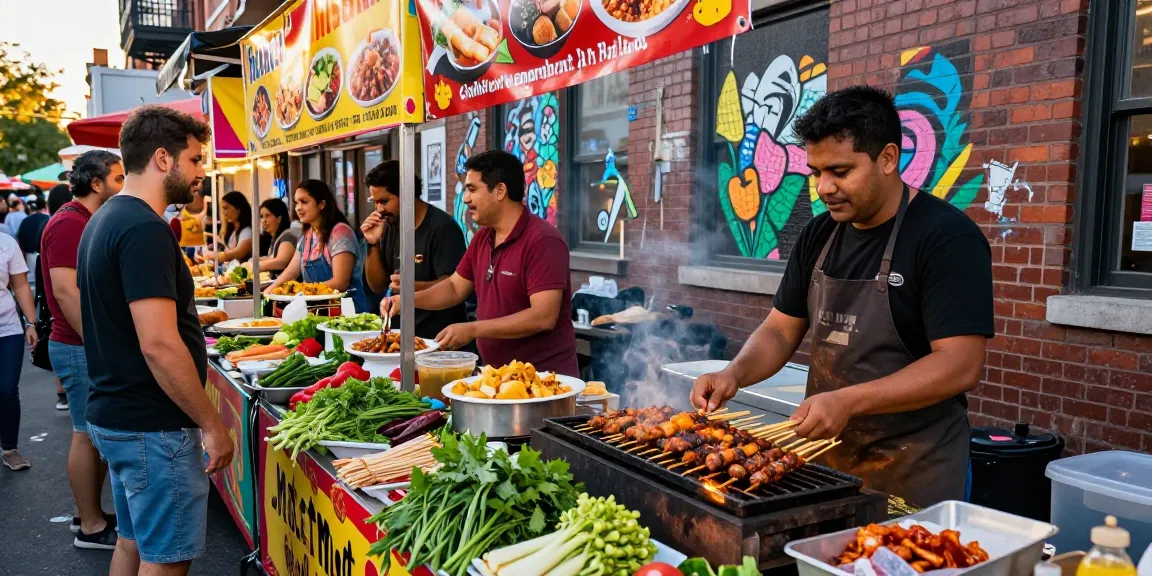
A defining feature of rokok 88 is its diverse menu. From charcoal-grilled meats to aromatic rice dishes, each offering tells a story of local ingredients and cooking styles. The vibrant colors of the dishes, coupled with the symphony of spices, embody a rich culinary heritage that deserves exploration.
The Cultural Significance of Street Food
Street food is more than just a meal; it is a cultural phenomenon that showcases the identity of a community. In many countries, street food reflects the social fabric, blending flavors from various regions and ethnic backgrounds. Rokok 88 serves not only food but also communal experiences, gathering people around the shared joy of eating. The rituals surrounding street food, such as night markets and food festivals, highlight its role in social interactions and community bonding.
Additionally, street food vendors often become pillars of their communities. By offering affordable and accessible meals, they contribute to local economies and create job opportunities. This cultural significance is a testament to the value of rokok 88 and similar vendors in preserving culinary traditions and nurturing community spirit.
Common Misconceptions about Food Safety
One prevalent misconception about street food is that it is inherently unsafe to eat. While it’s true that some street food vendors may not adhere to strict hygiene practices, many, like rokok 88, prioritize food safety and quality. Understanding the true safety standards and practices can demystify street food experiences.
Another common myth is that street food is always unhealthy. In reality, many street food options, including those found at rokok 88, utilize fresh ingredients, often sourced locally. These meals can be nutritious and balanced, focusing on whole foods rather than processed ingredients. Educating oneself about food safety and quality can help food lovers navigate the street food scene responsibly.
Common Pitfalls in the Street Food Scene
Overlooking Food Hygiene Standards
One of the most significant mistakes food lovers make is neglecting to assess the hygiene standards of street food vendors. While some may look enticing, it’s crucial to opt for vendors who demonstrate a commitment to cleanliness. Checking for food handling practices, such as the use of gloves and cleanliness of the cooking area, can help ensure a safe dining experience.
Ignoring Local Advice on Food Choices
Many travelers fall into the trap of ignoring the advice of locals regarding food choices. Locals often know the best spots for street food, providing insights on which vendors are reliable. Engaging with residents not only enhances your street food journey but also fosters a deeper connection with the local culture.
Choosing Convenience Over Quality
In the hustle and bustle of street food markets, it may be tempting to grab the first option that comes your way. However, prioritizing convenience over quality can lead to disappointing experiences. Instead, take the time to explore the offerings at rokok 88 and other reputable vendors to ensure you are enjoying the best that street food has to offer.
Best Practices for Enjoying Rokok 88
How to Identify Quality Street Food Vendors
Identifying quality street food vendors is essential for a pleasant culinary experience. Look for signs of high traffic; busy stalls often indicate delicious offerings. Pay attention to how vendors handle food, use fresh ingredients, and maintain their cooking area. A vendor’s reputation in the community can also be a good indicator of the quality you can expect.
Essential Tips for Food Safety While Eating Out
Food safety is paramount when indulging in street food. Here are several tips to ensure a safe experience:
- Choose vendors who cook food fresh on-site, as this ensures the food is hot and less prone to contamination.
- Avoid raw foods unless you can verify their quality and freshness.
- Pay attention to how food is stored and served, opting for vendors who use clean utensils and serve in hygienic conditions.
Engaging with Vendors and Community
Street food is as much about the experience as it is about the food. Engaging with vendors can enhance your appreciation for their craft. Ask about their recipes, cooking techniques, and inspirations. This interaction can turn a simple meal into a memorable experience, allowing you to connect with the culture behind the cuisine.
Real-Life Examples: Success and Failures in Street Food
Inspiring Stories of Street Food Entrepreneurs
Countless street food entrepreneurs have transformed their passion into thriving businesses. Take, for instance, the story of a young chef who started from humble beginnings selling her family’s traditional dishes. With dedication and innovation, she established a renowned street food brand, attracting both locals and tourists. Such stories highlight the resilience and creativity inherent in the street food industry.
Case Studies: What Went Wrong?
While success stories abound, not every street food venture thrives. Poor location choices, lack of market research, and inadequate food safety practices can lead to business failures. By analyzing case studies of street food stalls that struggled, aspiring vendors can glean valuable lessons about the importance of planning and execution.
Lessons Learned from Culinary Experiences
Experiences in street food often carry lessons that extend beyond cuisine. The adaptability of vendors, quick thinking in high-pressure situations, and the ability to connect with customers underscore the dynamic nature of this industry. Whether through successes or failures, each vendor’s journey contributes to the rich tapestry of the street food scene.
Future Trends in the Street Food Industry
Emerging Culinary Innovations (2026 and Beyond)
As the culinary landscape evolves, street food is at the forefront of innovation. Emerging trends in 2026 may include fusion dishes that blend traditional recipes with global influences. Vendors will likely experiment with plant-based options, leveraging the growing demand for sustainable and health-conscious eating.
Sustainability Practices in Food Markets
As concerns about sustainability rise, street food vendors are pivoting towards eco-friendly practices. This includes using biodegradable packaging, reducing food waste, and sourcing ingredients locally. By adopting these practices, vendors not only appeal to conscious consumers but also contribute positively to the environment.
Impact of Technology on Street Food Experiences
Technology is increasingly shaping how consumers interact with street food. From mobile apps that guide food lovers to the best vendors to innovations in payment systems, restaurants and markets will likely leverage technology to enhance convenience and customer experience. Additionally, social media will continue to play a pivotal role in promoting street food culture and connecting vendors with a broader audience.
What should I look for in street food hygiene?
When assessing hygiene at street food stalls, observe food handling practices, cleanliness of cooking areas, and how food is stored. Vendors who prioritize hygiene will usually display their commitment to health standards visibly.
How can I find the best street food in a new city?
To find the best street food in a new city, look to local recommendations, travel blogs, and social media. Engaging with residents can provide personal insights into hidden gems that might not appear in tourist guides.
Are there specific foods I should avoid at street markets?
It’s wise to avoid raw foods such as salads unless you are sure of their freshness. Foods that appear to be sitting out for extended periods or are not served fresh should also be approached with caution.
What are the benefits of eating street food?
Eating street food offers numerous benefits, including affordability, variety, and the opportunity to experience authentic local flavors. Additionally, it often supports local economies and promotes cultural exchange.
How is street food evolving in 2026?
In 2026, street food is poised to evolve further with a focus on sustainability, health, and technology. Innovations in cooking methods, ingredient sourcing, and consumer engagement will shape the future of this dynamic sector, ensuring that street food remains a vital part of culinary culture.