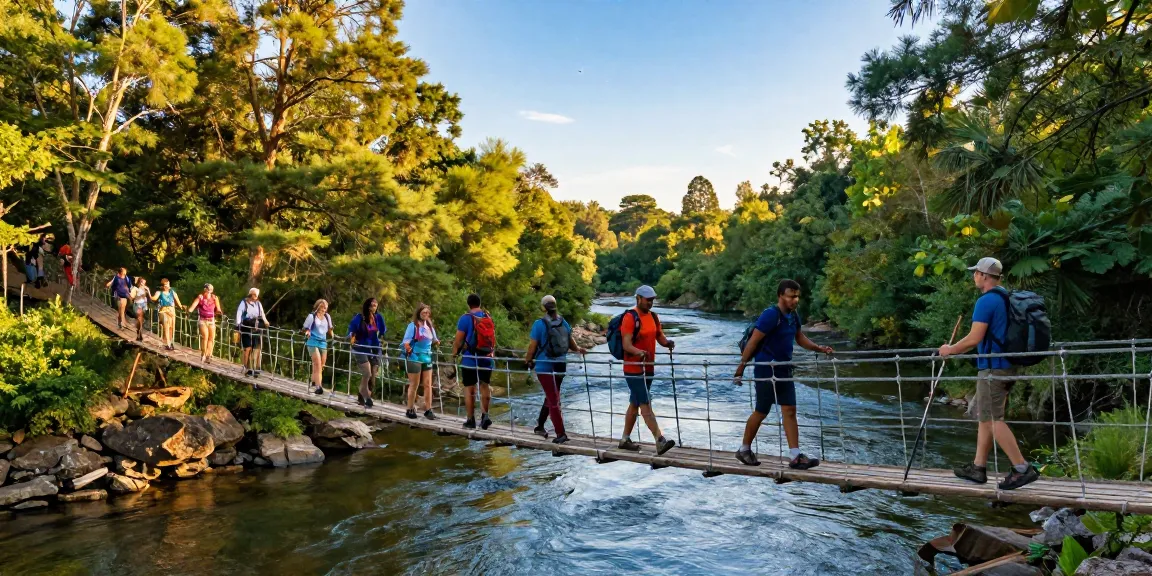
Understanding the River Rope Bridge: Design and Safety
The appeal of the River Rope Bridge lies not only in its ability to create a thrilling crossing over water bodies but also in its intricate design and safety considerations. Rope bridges are a marvellous blend of engineering and aesthetics, often found in remote areas where conventional construction methods may not be feasible. Understanding the essentials of these structures, from design elements to safety measures, is crucial for both builders and users.
What is a River Rope Bridge?
A River Rope Bridge is a type of suspension bridge that uses ropes and cables to support the bridge deck, allowing pedestrians or vehicles to cross rivers. These bridges are characterised by their flexibility and lightweight construction, making them ideal for environments where traditional concrete or steel structures might be impractical. They can vary in length and complexity, ranging from simple, single-cable constructions to intricate designs spanning wide waterways.
Key Design Elements of River Rope Bridges
- Materials: Modern rope bridges often use high-strength synthetic materials that enhance durability while reducing the overall weight.
- Load Capacity: Calculating the load capacity is essential. This ensures that the bridge can safely accommodate the expected traffic, whether for pedestrians or light vehicles.
- Anchor Systems: Effective anchoring is crucial for stability. The design must include robust anchor points that can withstand environmental stresses.
- Safety Features: Handrails, non-slip surfaces, and safety nets are often integrated to protect users and enhance usability.
Safety Standards and Regulations
Safety is paramount in the design and construction of River Rope Bridges. Numerous guidelines and regulations must be adhered to, which vary by region. These may include:
- Load testing before opening the bridge to public use.
- Regular inspections to ensure structural integrity.
- Compliance with local building codes and environmental regulations.
Construction Challenges and Considerations
While building a River Rope Bridge can be an exciting project, several challenges must be faced to ensure a successful outcome. From environmental considerations to sourcing the right materials, potential builders should carefully evaluate various factors.
Site Assessment for River Rope Bridge Installation
A thorough site assessment is the first step in any construction project. Factors to consider include the river's width, depth, and current, as well as the surrounding landscape. Environmental impact assessments are also essential to understand how construction might affect local ecosystems.
Materials and Techniques for Durability
Choosing the right materials is crucial for ensuring the longevity and functionality of the bridge. High-tensile ropes designed for marine use can provide excellent durability against weather elements. Additionally, innovative techniques such as using biodegradable materials for parts of the bridge may help reduce environmental footprints.
Best Practices in Installation Procedures
- Planning: Detailed plans should be made before installation begins, including the layout and timelines.
- Team Training: Ensure that all workers are trained in safety protocols and installation techniques to minimise risks.
- Environmental Protection: Implement measures to protect surrounding flora and fauna during construction.
Cost Analysis of River Rope Bridges
Understanding the costs associated with building and maintaining a River Rope Bridge can help in budgeting and financial planning for projects related to outdoor activities and infrastructure improvement.
Budgeting for Construction: What to Expect
The costs of constructing a River Rope Bridge can vary widely depending on several factors, including materials, site complexity, and design features. On average, a basic rope bridge may cost between £15,000 and £50,000, while more elaborate designs can exceed these estimates significantly.
Long-Term Maintenance Costs
Maintenance is vital to ensure the safety and functionality of rope bridges. Annual inspections are recommended, along with repairs to any wear and tear. Budgeting for maintenance can range from £1,000 to £5,000 a year, depending on the bridge’s usage and environmental conditions.
Comparative Costs with Alternative Bridge Types
When comparing the costs of River Rope Bridges to traditional bridges, it’s important to consider both initial and long-term expenses. While rope bridges can be cheaper to construct initially, their maintenance can sometimes lead to comparable costs over time when compared to concrete or steel alternatives.
Experience and Benefits of Crossing a River Rope Bridge
Crossing a River Rope Bridge is not just about the act of traversing; it’s an experience that brings numerous benefits to adventurers, communities, and the environment.
Enhancing Outdoor Activities with River Crossings
Rope bridges can significantly enhance outdoor activities, providing access to remote trails and areas that may otherwise be difficult to reach. They encourage exploration and adventure, making them popular among hikers and nature enthusiasts.
Community and Environmental Impact
These structures can foster community spirit by connecting different areas, facilitating outdoor events, and encouraging tourism. Additionally, well-designed rope bridges can minimise environmental disruption, allowing for crossings without extensive land alteration.
Adventurous Experiences: What Hikers Should Know
For adventurers, crossing a River Rope Bridge provides not only physical challenges but also thrilling experiences. It’s vital for hikers to know their limits, assess the bridge's condition before crossing, and ensure they are equipped with appropriate safety gear.
Future Trends for River Rope Bridges in 2026 and Beyond
The future of River Rope Bridges looks promising, with innovations in design, materials, and sustainability on the horizon. As technology evolves, these bridges will likely become more efficient and safer.
Innovative Technologies in Bridge Design
Emerging technologies, such as 3D printing and advanced engineering software, are beginning to shape the design of rope bridges. These tools allow for more precise planning and more efficient use of materials, ultimately reducing costs.
Eco-Friendly Materials and Sustainable Practices
With an increasing focus on sustainability, many future constructions will likely incorporate eco-friendly materials. Innovations such as recycled plastics or sustainably sourced woods may play a significant role in upcoming projects.
Predictions for Popularity and Usage Among Adventurers
As outdoor activities gain popularity, especially post-pandemic, the demand for engaging crossings like River Rope Bridges is expected to rise. These structures will play a pivotal role in redefining adventure tourism, providing unique experiences that enhance the thrill of exploration.
What are the benefits of a River Rope Bridge?
There are numerous benefits, including low environmental impact, cost-effectiveness, and the ability to create engaging outdoor experiences.
How long does it take to build a River Rope Bridge?
On average, it can take anywhere from a few weeks to several months to construct a River Rope Bridge, depending on the complexity and environmental factors.
Where can I find River Rope Bridges for hiking trails?
Many national and regional parks feature River Rope Bridges. It’s best to consult local resources or hiking guides to discover accessible locations.
What maintenance is required for River Rope Bridges?
Regular inspections, along with timely repairs and cleaning, are critical maintenance tasks that ensure the safety and longevity of rope bridges.
Are River Rope Bridges safe for children and families?
When designed and maintained correctly, River Rope Bridges can be safe for families and children. However, adult supervision and adherence to safety guidelines are essential.