Understanding Image Variation Generators
In today's fast-paced digital world, visual content plays a crucial role in communication, branding, and storytelling. An image variation generator is a powerful tool that automates the process of modifying existing images, allowing users to create multiple variations by changing elements of a single photo. This technology leverages artificial intelligence to understand the nuances of an image and apply user-defined changes efficiently, making it invaluable for designers, marketers, and content creators. When exploring options, an image variation generator can simplify the creative process by providing quick outcomes that maintain the original essence of the images.
What is an Image Variation Generator?
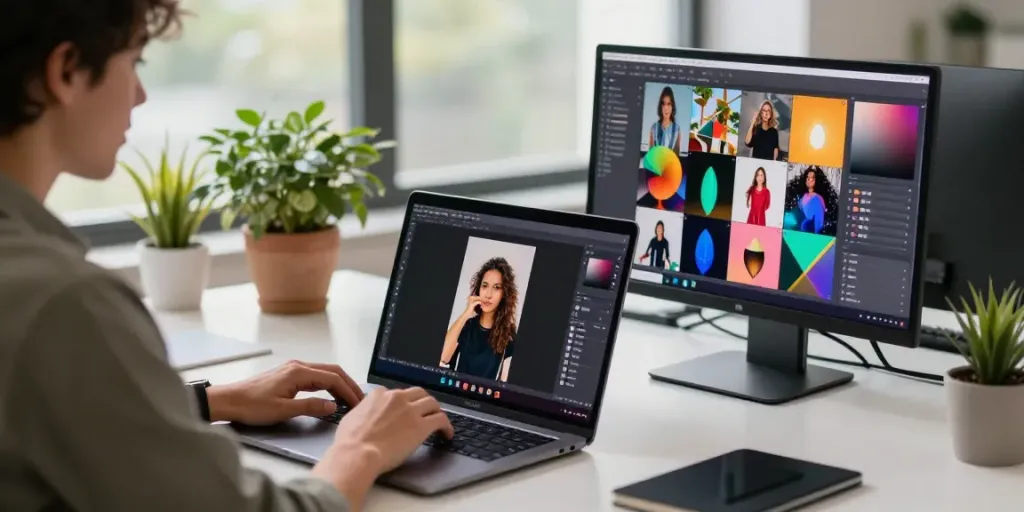
An image variation generator is a digital tool that allows users to take an existing image and generate new variations of it by altering specific aspects without having to create a new image from scratch. These generators use advanced algorithms and machine learning techniques to analyze the original image, facilitating transformations such as color changes, background swaps, and object replacements. For instance, if you have a photo of a dog, you could instruct the tool to change its collar color or replace it with a bandana, while keeping the dog’s position, expression, and the surrounding elements intact.
Key Features of Effective Image Variation Generators
When selecting an image variation generator, several key features should be considered:
- User-Friendly Interface: A clear and intuitive interface simplifies the editing process, making it accessible for users with varying levels of technical expertise.
- Customizable Outputs: The ability to specify details about what to change and how is crucial for achieving desired results.
- High-Speed Processing: Fast rendering times ensure that users can generate variations quickly, which is essential for time-sensitive projects.
- Quality of Variations: High-resolution outputs that maintain the integrity of the original image are critical for professional use.
- Support for Diverse Formats: Compatibility with various file types allows users to work flexibly across platforms and software.
Common Use Cases and Applications
Image variation generators serve a multitude of purposes across different fields:
- Marketing and Advertising: Creating tailored images for campaigns that align with different products or seasons.
- Social Media Content Creation: Quickly producing engaging visuals that keep content fresh and relevant.
- Product Photography: Allowing businesses to showcase a product in multiple contexts or color variations without reshooting.
- Personal Projects: Enabling hobbyists to edit photos creatively, whether for scrapbooking, digital art, or sharing on platforms like Instagram.
How to Select the Best Image Variation Generator
Evaluating User Needs and Requirements
Choosing the right image variation generator begins with understanding your specific needs. Consider whether you require a tool for high-volume production, such as for e-commerce image updates, or whether you need it for occasional creative projects. Additionally, assess the complexity of changes you wish to make; some tools excel at detailed manipulation, while others are designed for simpler adjustments.
Comparing Features and Functionalities
Conducting a feature comparison among various image variation generators is essential. Look for tools that offer the specific capabilities you require, such as:
- Support for multiple types of image manipulation (e.g., changing colors, adding elements).
- Integration with other design tools or platforms.
- Custom presets that allow for faster editing based on your style preferences.
Understanding Pricing Models and Accessibility
Pricing can vary widely among image variation generators, influenced by the features offered and subscription models. Some tools may offer free versions with limited capabilities, while premium services might provide extensive functionalities at a cost. Always explore the pricing structure that aligns with your budget and expected usage frequency.
Step-by-Step Guide to Using an Image Variation Generator
Uploading Images and Setting Parameters
To begin using an image variation generator, start by uploading your chosen image. Most platforms allow for drag-and-drop functionality, making this step easy. Once uploaded, you will need to set parameters for how you want to modify the image, specifying what changes to make and any other relevant settings.
Crafting Effective Instructions for Variations
A crucial aspect of getting the best results from an image variation generator lies in how you phrase your instructions. Be specific yet concise; for example, instead of saying “make it nicer,” you could instruct the tool to “change the sofa to navy.” This targeted approach leads to clearer outputs. Examples of effective instructions include:
- “Replace the yellow backpack with a red one.”
- “Make the sky more vibrant.”
- “Turn the plain wall into a brick texture.”
Interpreting and Using Generated Variations
Once the variations are generated, carefully review each one to ensure it meets your expectations. Tools often provide a side-by-side comparison of the original and the modified images, which can help you gauge the impact of the adjustments. Utilize these variations in your projects while keeping an eye on context and appropriateness for your intended audience.
Best Practices for Creating Variations with AI Tools
Tips for Optimal Instruction Crafting
Crafting effective instructions is a skill that improves with practice. Here are some tips to enhance your instruction writing:
- Be Direct: Use clear language that communicates exactly what you want to change.
- Avoid Ambiguity: Avoid vague terms that may confuse the AI, such as “better” or “nice.”
- Limit Instructions: Focus on one change at a time to achieve precision.
Maintaining Consistency in Style and Quality
As you experiment with variations, maintain a consistent aesthetic by utilizing similar instructions for related images. This is particularly beneficial in branding, where a cohesive visual identity is vital. Establishing a style guide with preferred color palettes and elements can streamline the process.
Iterating on Generated Results for Best Outcomes
Don’t hesitate to iterate on generated results until you find the perfect visual. Running multiple instructions on the same image can help refine and improve your output. For instance, if you’ve altered a product's background but want to fine-tune its lighting, it’s perfectly acceptable to run further adjustments.
Future Trends in Image Variation Technology
Emerging Developments in AI Image Processing
As technology progresses, so too do the capabilities of image variation generators. Future trends include enhanced machine learning algorithms that can analyze user preferences and automatically suggest optimal changes based on past usage patterns. This predictive technology will streamline workflows by anticipating user needs.
Potential Applications Across Various Industries
The application of image variation technology is projected to expand beyond traditional realms. Industries such as fashion, real estate, and digital marketing will likely incorporate these tools to enhance customer engagement through personalized content creation and targeted visual storytelling.
Predictions for 2026 and Beyond
By 2026, image variation generators will likely become more sophisticated, integrating with augmented reality (AR) and virtual reality (VR) platforms to create immersive experiences. Users may have the ability to generate variations in real-time, enabling dynamic content adjustments during live presentations or events.