Introduction to Indoor Agriculture and cika4d Slot
As urban populations continue to rise and the demand for fresh, local produce grows, indoor agriculture has emerged as a sustainable solution to food security challenges. One innovative aspect of this sector is the integration of advanced technologies, such as the cika4d slot. This technology not only enhances operational efficiency but also maximizes the potential for crop yield and sustainability in controlled environments.
What is Indoor Agriculture?
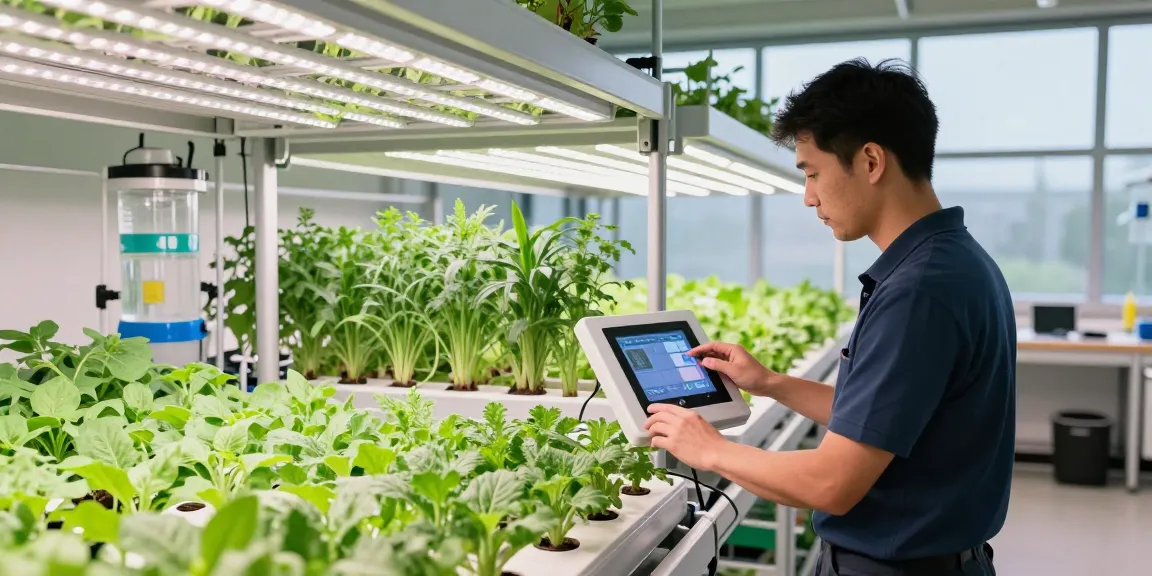
Indoor agriculture refers to the practice of growing crops within controlled environments, utilizing methods like vertical farming, hydroponics, and aeroponics. This approach allows for year-round production, irrespective of external weather conditions. The benefits are evident: it reduces land use, minimizes water consumption, and decreases the carbon footprint associated with traditional farming methods. By leveraging artificial lighting, climate control, and nutrient management systems, indoor agriculture can produce food closer to urban centers, reducing the need for long-distance transportation.
Understanding cika4d Slot Technology
The cika4d slot technology elevates indoor agriculture by integrating cutting-edge design and construction techniques tailored for optimal growth conditions. This innovative system encompasses not only advanced hydroponic setups but also sophisticated climate management, ensuring that plants receive precisely the right amount of light, water, and nutrients. By utilizing data-driven strategies and automation, growers can monitor and adjust conditions in real-time, leading to healthier plants and more profitable operations.
The Future of Agriculture in Urban Settings
As cities continue to grow, the need for sustainable urban agriculture solutions will be paramount. The cika4d slot stands at the forefront of this movement, providing scalable solutions that can adapt to various urban environments. The future of agriculture may see a proliferation of rooftop gardens, abandoned warehouse conversions, and community farming initiatives powered by this innovative technology, ultimately fostering a more resilient food system.
Benefits of Integrating cika4d Slot in Indoor Facilities
Increased Yield and Efficiency
Integrating cika4d slot technology into indoor facilities can lead to significant increases in crop yield compared to traditional farming methods. By optimizing resource use—such as water, nutrients, and energy—this system allows growers to produce more food per square foot. Vertical farming techniques, combined with cika4d’s modular design, enable farmers to maximize limited space, thereby enhancing overall efficiency.
Energy Conservation and Sustainability
The emphasis on sustainability in modern agriculture cannot be overstated. The cika4d slot uses energy-efficient systems that reduce the carbon footprint of food production. By employing LED grow lights and advanced climate control systems, indoor farms can minimize energy consumption while maintaining optimal growth conditions. This not only leads to cost savings for farmers but also supports global sustainability goals.
Enhanced Crop Quality and Varieties
One of the major advantages of indoor agriculture facilitated by cika4d slot technology is the ability to cultivate a diverse range of crops, including those that are typically difficult to grow in traditional settings. Controlled environments lead to enhanced flavor profiles, nutritional content, and overall crop quality. The ability to produce organic and pesticide-free produce further appeals to health-conscious consumers.
Common Challenges in Implementing cika4d Slot Systems
High Initial Investment Costs
While the long-term benefits of cika4d slot systems are considerable, the initial investment can be daunting for prospective growers. Establishing an indoor agriculture facility involves significant capital for technology, infrastructure, and ongoing operational costs. However, as the technology matures and demand increases, costs are expected to decrease, making it more accessible for new entrants.
Technical Knowledge and Training Requirements
Implementing cika4d slot technology effectively requires a certain level of technical knowledge and expertise. Growers need to understand not only the mechanics of the systems but also the biological aspects of plant care. This necessitates ongoing training and education, which can be a barrier for some individuals or organizations entering the field.
Maintenance and Operational Challenges
Maintaining an indoor agriculture facility using cika4d slot systems can be complex. Regular monitoring of climate conditions, nutrient levels, and plant health is critical for success. Additionally, potential technical failures—such as issues with irrigation systems or lighting—can disrupt operations, leading to loss of crops. Thus, having a well-trained team and a strong support system is essential.
Best Practices for Utilizing cika4d Slot Technology
Consultation and Planning Stages
Before implementing cika4d slot systems, comprehensive planning is crucial. Engaging with experts during the consultation phase can help identify specific needs and tailor solutions effectively. This planning should include layout designs, system configurations, and resource allocations to establish a robust foundation for growth.
Regular Monitoring and Adaptation
To maximize the benefits of cika4d slot technology, continuous monitoring is key. Utilizing data analytics tools allows growers to make informed decisions based on real-time conditions. Regularly adapting strategies based on crop performance and environmental data can lead to improved yields and operational efficiency.
Innovative Design Solutions for Optimal Growth
Employing innovative design principles is essential for the success of indoor agriculture. The cika4d slot emphasizes modular design, enabling flexibility in scaling operations. Additionally, incorporating smart farming technologies can enhance the growing environment, ensuring plants receive optimal light, temperature, and humidity levels.
Looking Ahead: Trends for Indoor Agriculture by 2026
Emerging Technologies and Innovations
By 2026, advances in technology will undoubtedly transform indoor agriculture. Expect to see the emergence of AI-driven solutions that can predict crop needs and automate processes. Robotics may also play a significant role, assisting with tasks such as planting, harvesting, and maintenance, thereby reducing labor costs and increasing efficiency.
Environmental Impact and Regulations
As governments become more focused on sustainability, stricter regulations may govern agricultural practices. Indoor agriculture, particularly systems utilizing cika4d slot technology, is positioned to comply with these regulations while also contributing to environmental goals. Adopting eco-friendly practices will not only benefit growers but also attract consumers looking for sustainable options.
Consumer Demand for Locally Grown Produce
The trend toward eating local is gaining momentum, with consumers increasingly prioritizing fresh, locally-sourced produce. Indoor agriculture facilitated by cika4d systems aligns perfectly with this demand, providing cities with fresh foods grown just a short distance away. This not only improves food quality but also supports local economies.
What is cika4d Slot’s Role in Industry Evolution?
The cika4d slot is set to play a pivotal role in the evolution of indoor agriculture. As growers seek efficient, sustainable solutions, this technology provides a robust framework for enhancing productivity while adhering to environmental standards. The adaptability of cika4d slot allows it to fit seamlessly into various settings, from commercial farms to hobbyist operations.
Will Indoor Agriculture Become the Norm?
With the challenges posed by climate change, urbanization, and food insecurity, indoor agriculture is likely to become more mainstream. The cika4d slot technology will be integral to this shift, offering solutions that meet the demands of a changing world. As awareness and adoption grow, indoor agriculture could redefine how we produce and consume food.