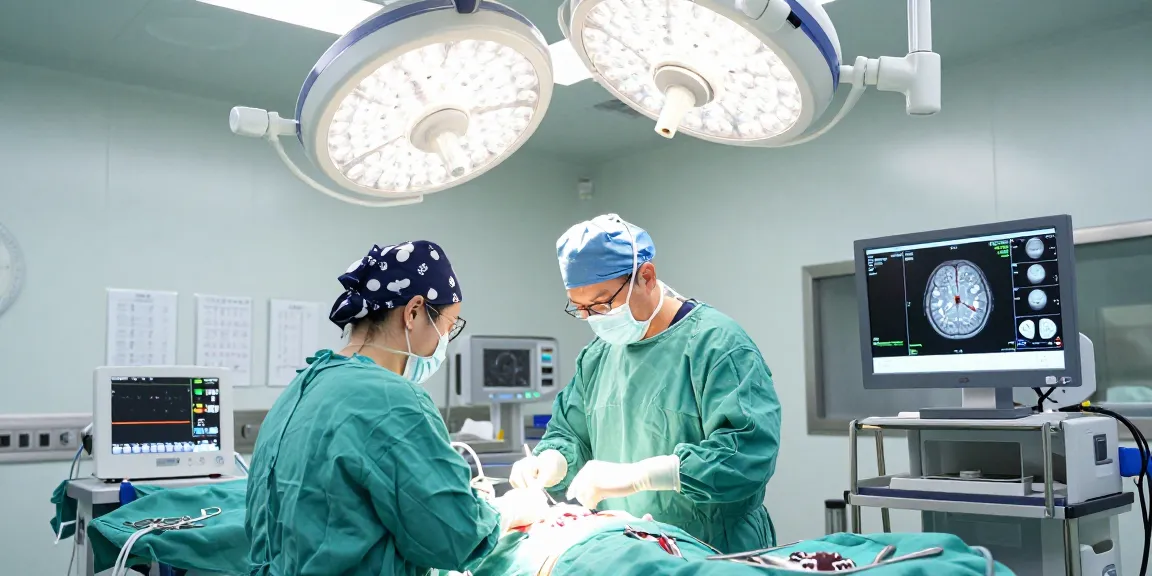
Understanding Beyin Tümörü Ameliyatı
Beyin tümörü ameliyatı is a critical medical procedure aimed at treating brain tumors, which can be benign (non-cancerous) or malignant (cancerous). Understanding the intricacies of this surgery, including its types, preparation, surgical process, and recovery, is essential for both patients and their families. Knowledge about brain tumor surgery empowers patients to make informed decisions about their health and treatment options. Further insights on this subject can be found at beyin tümörü ameliyatı.
What is a Brain Tumor Surgery?
Brain tumor surgery refers to any surgical procedure that aims to remove or reduce a tumor located in the brain. The primary goal of the surgery is to eliminate the tumor while preserving as much surrounding healthy brain tissue as possible. This involves various techniques depending on the tumor’s type, location, and the patient’s overall health condition. In many cases, surgery serves as part of a comprehensive treatment plan that may include radiation therapy and chemotherapy.
Types of Brain Tumors and Surgical Procedures
There are several types of brain tumors, and each may require a different surgical approach. These include:
- Meningiomas: Typically benign, these tumors arise from the meninges, the protective membranes covering the brain and spinal cord.
- Glial Tumors: Including glioblastomas, these can be malignant and aggressive, requiring more complex surgical interventions.
- Metastatic Tumors: These are tumors that originate in other parts of the body and spread to the brain, often necessitating a tailored surgical strategy.
Importance of Accurate Diagnosis Before Surgery
Accurate diagnosis is crucial in determining the appropriate surgical and treatment options for brain tumors. Advanced imaging techniques such as MRI and CT scans help in visualizing the tumor's size, location, and impact on surrounding tissues. Comprehensive diagnostic assessments allow neurosurgeons to plan the most effective surgical approach, minimizing risks and optimizing outcomes for the patient.
Preparation Steps for Beyin Tümörü Ameliyatı
Preoperative Assessments and Screenings
Before undergoing a brain tumor surgery, several evaluations and screenings are vital. These include:
- Neurological assessments to evaluate brain function.
- Blood tests to check overall health and detect any underlying issues.
- Imaging studies for a detailed understanding of the tumor's characteristics.
Patient’s Role in Pre-Surgery Preparation
Patients play an active role in their pre-surgery preparation. They should discuss their medical history and any medications they are taking with their healthcare team. Additionally, understanding the procedure and what to expect can significantly reduce anxiety and improve outcomes. Adhering to preoperative guidelines, such as fasting or avoiding certain medications, is also critical for safe surgery.
Understanding Potential Risks and Benefits
Every surgical procedure carries risks, and brain tumor surgery is no exception. Patients should be informed about potential complications, including infection, bleeding, or neurological deficits. However, the benefits often outweigh the risks, especially when the surgery can significantly improve symptoms or even cure the condition. It’s crucial for patients to engage in open discussions with their surgeons regarding these aspects.
The Surgical Process of Beyin Tümörü Ameliyatı
Stages of Brain Tumor Surgery Explained
The surgical process typically involves several stages:
- Preparation: Includes patient positioning and anesthesia administration.
- Craniotomy: A section of the skull is temporarily removed to access the brain.
- Tumor Removal: The surgeon excises the tumor using precise techniques to minimize damage to healthy tissue.
- Closure: The skull is reconstructed, and the scalp is sutured.
Advanced Techniques Used in Surgery
Modern neurosurgery employs several advanced techniques to enhance the safety and outcomes of brain tumor surgeries, including:
- Intraoperative Imaging: Real-time imaging allows surgeons to visualize the tumor and surrounding brain areas during surgery.
- Navigational Systems: These systems assist in accurately locating the tumor within the complex brain structures.
- Awake Surgery: In some cases, patients may be awake during surgery, allowing surgeons to test brain function and preserve vital areas.
Role of Technology in Enhancing Surgical Precision
Technology plays a crucial role in the precision of brain tumor surgeries. Techniques such as functional MRI and tractography help map brain anatomy and functions, allowing for tailored surgical approaches that respect critical brain areas. Enhanced visualization and monitoring tools improve surgical outcomes and reduce the risk of complications.
Postoperative Care for Beyin Tümörü Ameliyatı Patients
Monitoring and Recovery Processes
Postoperative care is essential for ensuring a smooth recovery after brain tumor surgery. Patients are typically monitored in a specialized recovery unit for signs of complications such as bleeding or infection. Regular neurological assessments help evaluate the patient's recovery and identify any issues early on.
Managing Potential Complications After Surgery
Complications can arise after brain tumor surgery. Some common issues include:
- Infection: All surgical patients are at risk of infection, and preventive measures are taken to minimize this risk.
- Cerebral Edema: Swelling of the brain can occur and may require medications.
- Neurological Symptoms: Depending on the tumor's location, patients may experience temporary or permanent changes in vision, speech, or motor function.
Importance of Follow-up Care and Rehabilitation
Follow-up care is vital in managing recovery and addressing any ongoing issues. Regular check-ups, imaging studies, and rehabilitation services can help patients regain their functional independence. Physiotherapy, occupational therapy, and speech therapy may be necessary components of the rehabilitation process to restore abilities affected by the surgery.
Future Trends in Beyin Tümörü Ameliyatı
Innovations and Emerging Techniques by 2026
The field of neurosurgery is constantly evolving. By 2026, we anticipate several innovations that could improve patient outcomes, including:
- Robotic Surgery: Enhanced precision with robotic assistance may become more prevalent.
- Artificial Intelligence: AI could assist in diagnosis and surgical planning, improving accuracy and outcomes.
- Personalized Treatment Approaches: Tailoring surgery protocols based on genetic profiles may enhance efficacy and reduce recurrence rates.
The Role of Personalized Medicine in Treatment
Personalized medicine is set to play a significant role in brain tumor treatment. Treatments tailored to the individual’s genetic makeup and tumor characteristics could lead to more effective strategies, reducing side effects and improving recovery times.
Anticipated Changes in Patient Care Standards
As technology advances, patient care standards are expected to shift towards more patient-centric approaches. Greater emphasis on informed consent and shared decision-making will empower patients, making them active participants in their treatment plans.
Frequently Asked Questions about Beyin Tümörü Ameliyatı
What should I expect during the surgery?
During surgery, you can expect to be carefully monitored under anesthesia, with the neurosurgical team employing advanced techniques to locate and remove the tumor. You may also be asked to perform simple tasks if you are awake during certain phases.
How long is the recovery period?
The recovery period can vary significantly based on the extent of the surgery and the individual's overall health, generally ranging from weeks to months.
What are the risks associated with brain tumor surgery?
Risks include infection, bleeding, neurological deficits, and complications related to anesthesia. Open discussions with your healthcare team will help clarify these risks.
Are there alternative treatments to surgery?
Depending on the tumor type and its location, alternatives may include radiation therapy, chemotherapy, or targeted therapies. These should be explored in consultation with your oncologist.
What are the signs of complications to watch for after surgery?
Signs such as severe headache, vision changes, seizures, or sudden neurological deficits warrant immediate medical attention.. Additionally, beyin tümörü ameliyatı provides further details.